EN
EN


They are known as textile machines, and are responsible for quickly changing thread or yarn into attractive fabric we buy to make clothes, blankets and etc. We have been using textile sample cutting machine for quite a long time, but with the advancements in technology, the machines have developed to become speedier and more effective at producing fabrics of better quality over the decades. Take a deep dive into the nuts and bolts of those machines and learn how they have changed over the years.
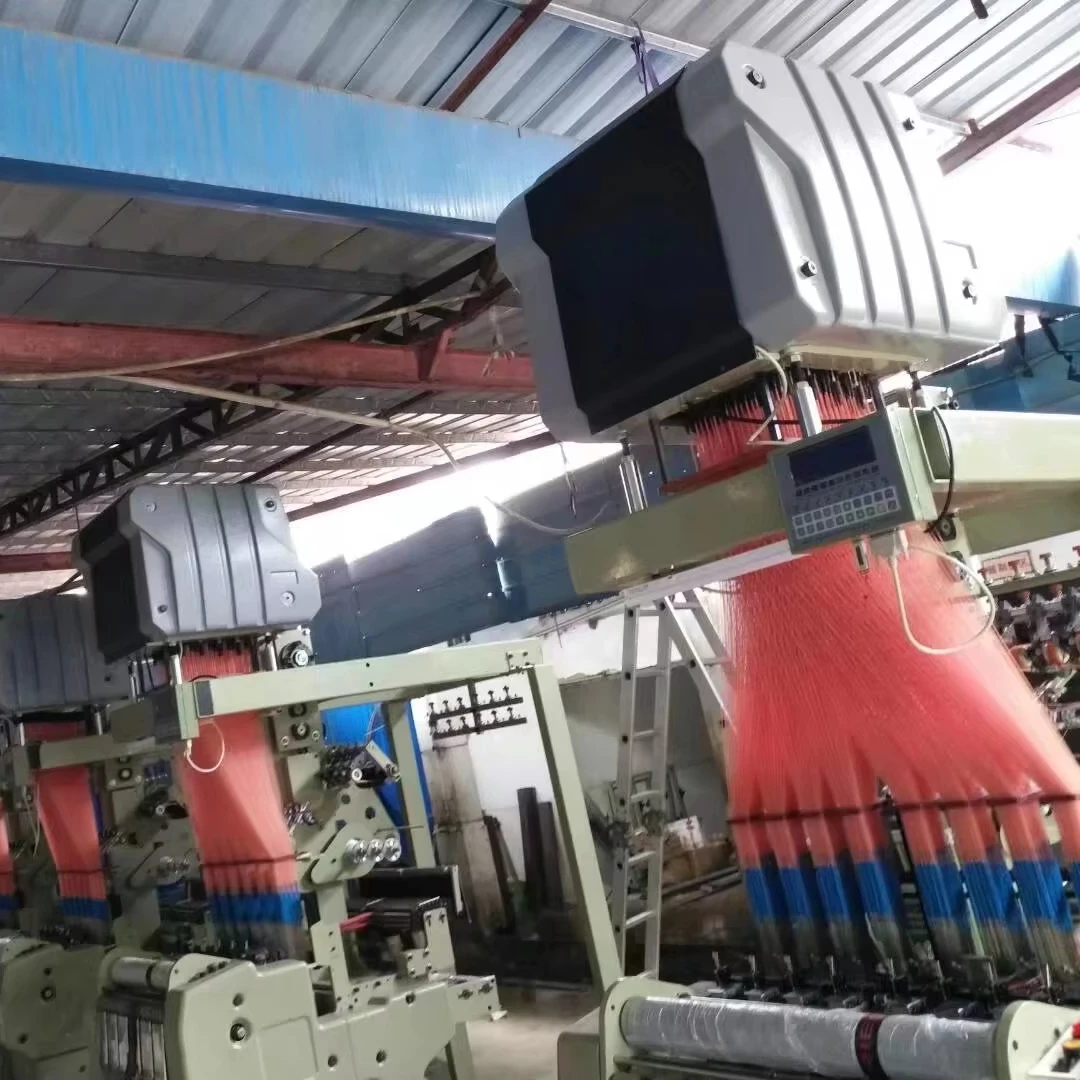
The loom is arguably one of the earliest textile machines in textile manufacturing. A loom is a big thing with lots of moving parts that you can use to weave threads together to make fabric from them. Looms were originally operated by hand, where individuals would maintain the tension on the threads and pass them back and forth to create patterns in the fabric. But looms were eventually automated with the technological developments, so they actually could operate without the need for manpower controlling them constantly. It made the process faster, so textile companies could produce more fabric in a shorter amount of time.
We can even see of the improvement made in the textile manufacturing machinery like looms and all these has been only possible by connecting different device with automation. Either way, the employees here aside from the ones working in the factory's bowels using computer programs and sensors to make sure textile machines are catching most of their own mistakes before they happen say you can probably count on them making some clothes.
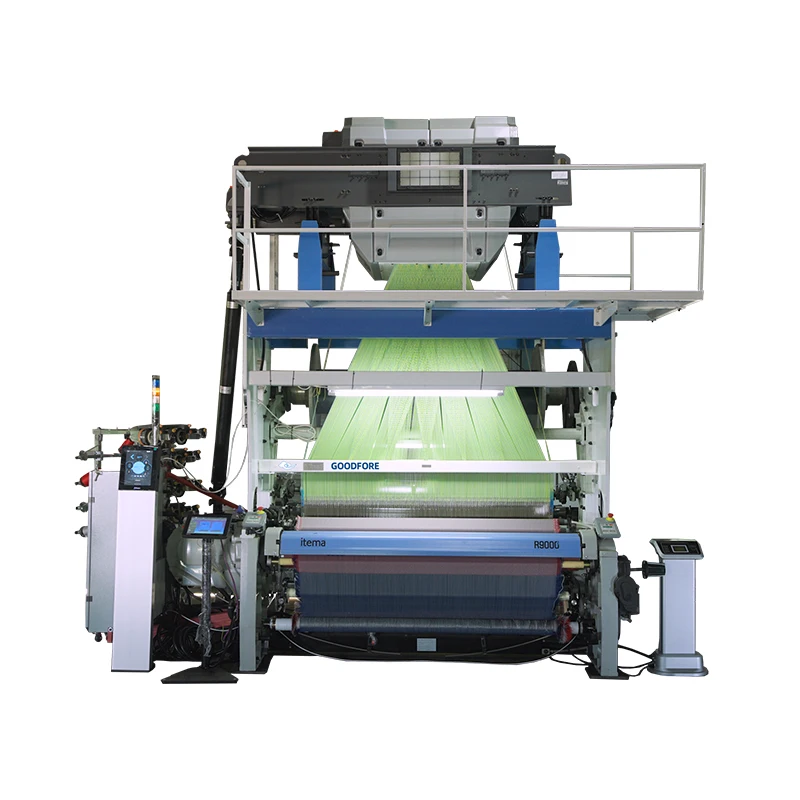
The knitting machine is also a very important type of textile warping machine is in contrast to looms, where threads are crossed over each other in a criss-cross pattern, therefore they have warp and weft threads. Stretchy and stretchable fabrics are the new fashion trend, which is why knitting machines are very common when it comes to making sweaters, socks, hats where such fabric can be easily created.
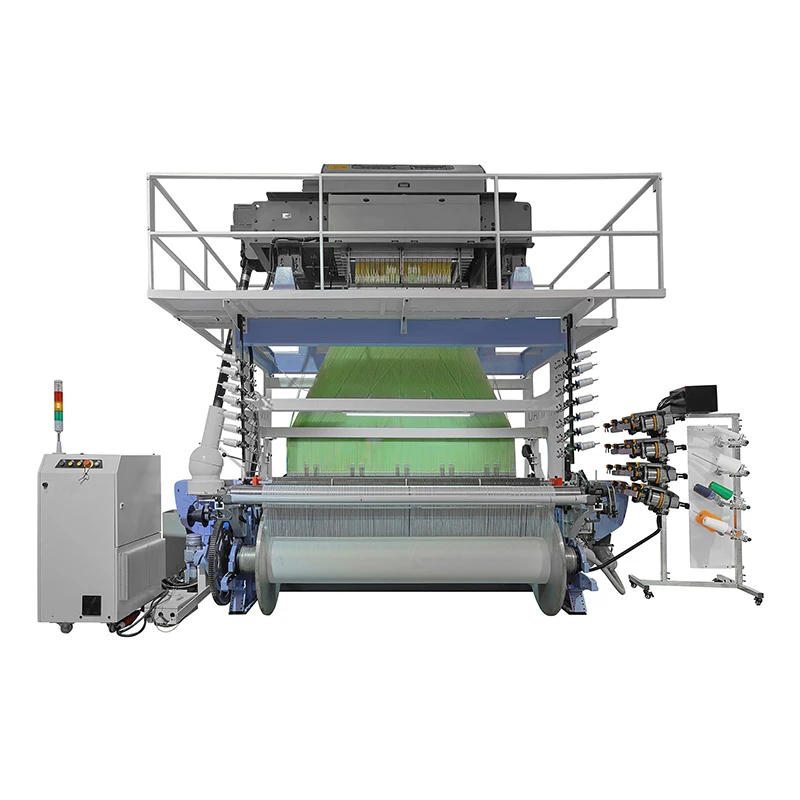
The next large leap in textile industry machines are utilized to carry out the tasks which humans have always been doing and AI helps in machine learning by feeding data into it. With this, textile firms such as GOODFORE can enhance their production processes one step more productive by combining aforementioned technologies. This will also mean quicker turnaround times for orders, and better yarns being used on behalf of our customers.

The trends and technologies in textile machinery parts are also evolving as technology advances. Another trend rising in popularity is generated by using sustainable materials and processes to make your fabrics. Textile machines, too, are being redesigned to consume less water, less energy and fewer chemicals, thus greatly diminishing the environmental footprint. Moreover, researchers are starting to play with fresh technology such as 3D printing in order to develop materials that are not feasible today or can be customized on the fly. Thanks to these developments, the future of garment machines only seems brighter further delivering sustainable fabrics.
Copyright © Goodfore Tex Machinery Co., Ltd. All Rights Reserved - Privacy Policy - Blog